




What Home Insurance Really Covers
When shopping for a homeowners insurance policy, most people assume it covers everything in the event of an accident or disaster. However, the truth is more complex. Understanding what home insurance really covers—and what it does not—is crucial for making sure you’re protected from financial loss.
Many homeowners are surprised during claims to learn that certain natural disasters, maintenance problems, or personal valuables have limited or no coverage. This article will help you break down the core components of a standard home insurance policy, understand the common exclusions, and explore additional coverage options that can help safeguard your home and finances.
1. What Home Insurance Really Covers: The Core Components
Homeowners insurance is designed to protect you from unexpected damages, losses, and liability. Here are the main components of standard home insurance coverage:
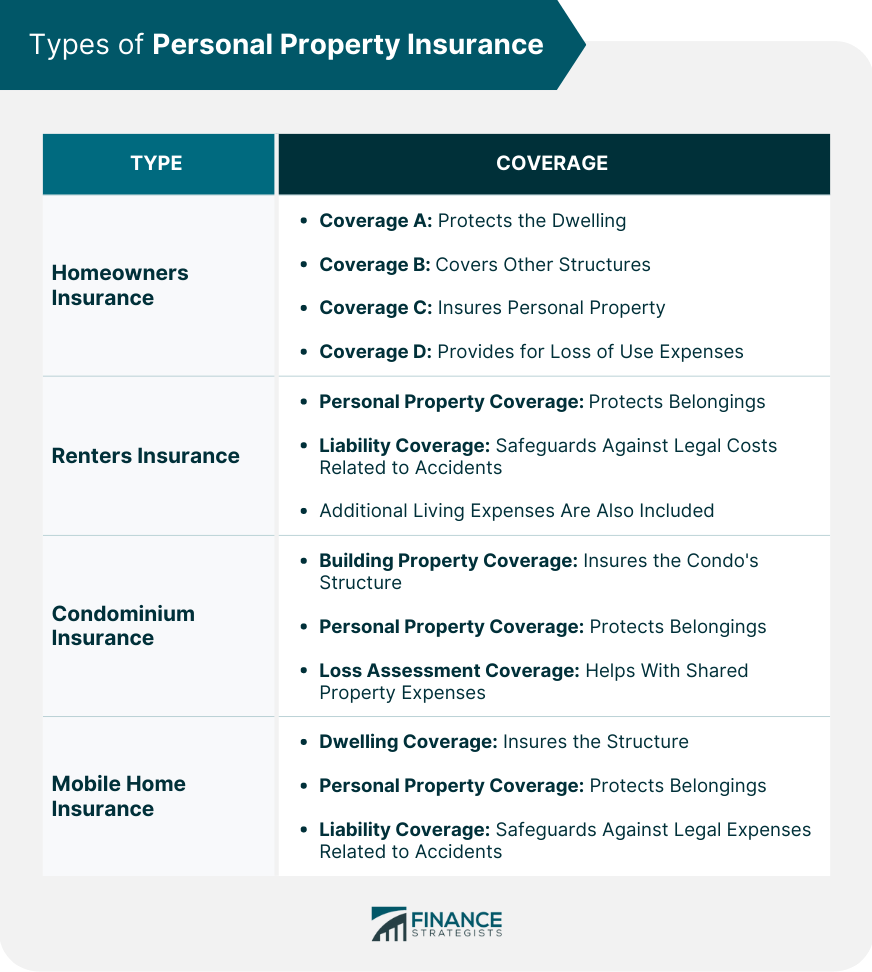
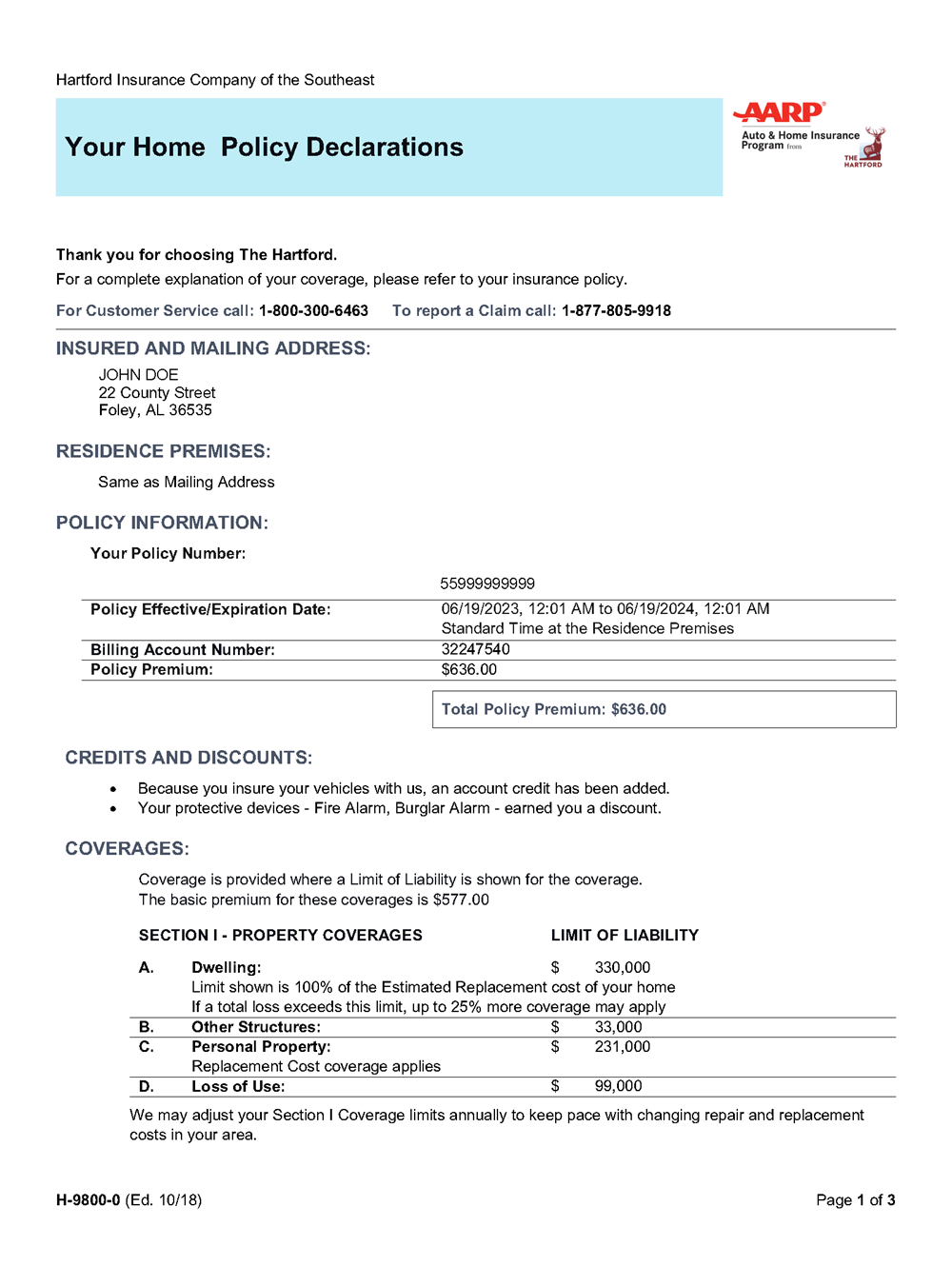
A. Dwelling Coverage (Structure of Your Home)
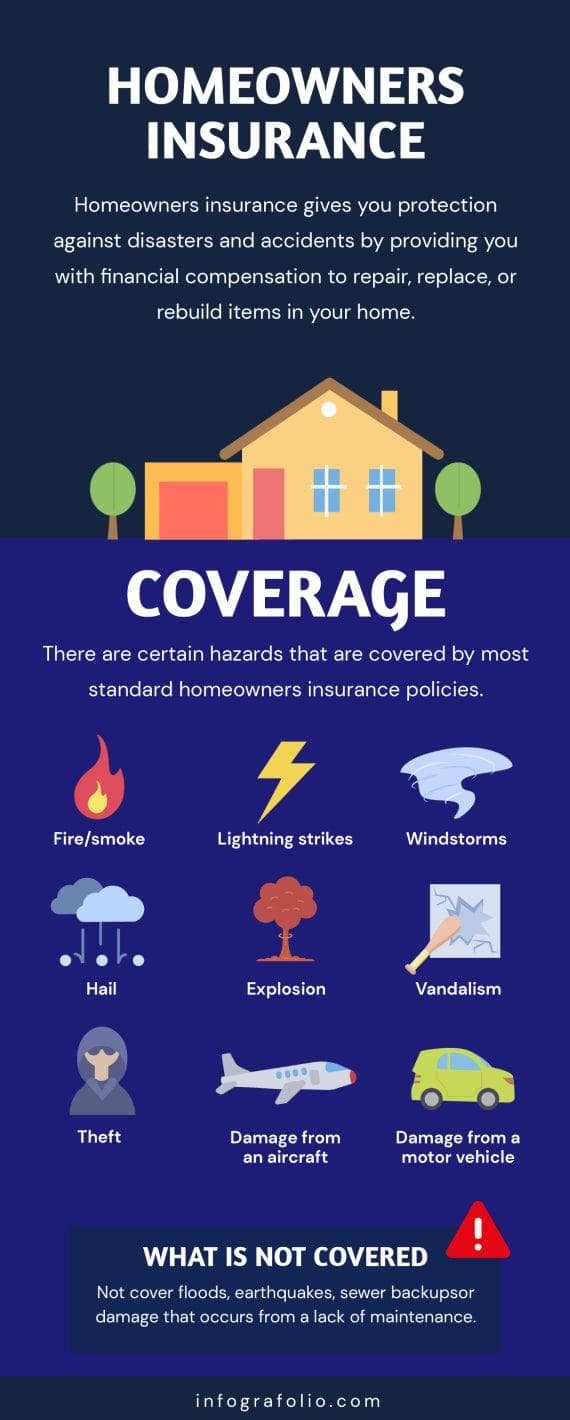
Dwelling coverage protects the physical structure of your home from events known as “perils.” These typically include:
-
Fire and smoke
-
Theft
-
Vandalism
-
Windstorms
-
Hail
-
Lightning
-
Falling objects
-
Damage from vehicles
-
Explosion
This portion of your policy ensures that repairs or full reconstruction can be paid for if a covered event damages your home.
B. Other Structures Coverage
This includes coverage for external buildings on your property, such as:
-
Detached garage
-
Storage shed
-
Fences
-
Guest houses
-
Gazebos or pergolas
These structures are usually covered for the same perils as your main dwelling.
C. Personal Property Coverage
Your home insurance also protects your belongings. This includes:
-
Furniture
-
Electronics
-
Clothing
-
Appliances
-
Tools
Depending on your policy, belongings are covered even when outside your home—for example, if luggage is stolen on vacation. However, coverage limits vary, especially for high-value items like jewelry or collectibles.
D. Liability Protection
Liability coverage protects you if someone is injured on your property or if you accidentally cause damage to someone else’s property. It may cover:
-
Medical bills
-
Legal fees
-
Court judgments
For example, if a guest slips on your steps or your dog bites someone, liability coverage can save you from major financial consequences.
E. Additional Living Expenses (ALE)
If your home becomes uninhabitable due to a covered event, ALE helps pay for temporary living arrangements, such as:
-
Hotel stays
-
Restaurant meals
-
Rental homes
This ensures your family has a place to live while your home is repaired or rebuilt.
2. What Home Insurance Doesn’t Cover: The Common Exclusions
While home insurance covers many types of damage, it also excludes a number of events and situations that homeowners should be aware of.
A. Floods
Flooding from natural disasters is not covered in standard homeowners insurance.
Examples include:
-
River overflow
-
Heavy rainfall flooding
-
Storm surge
-
Flash floods
To get coverage, you need a separate flood insurance policy, which can be purchased through the National Flood Insurance Program (NFIP) or private insurers.
B. Earthquakes
Earthquake damage is another major exclusion. Cracked foundations, fallen walls, and landslides caused by seismic activity require separate earthquake insurance.
C. Regular Wear and Tear
Home insurance covers sudden, accidental damage—not issues caused by neglect or aging. This includes:
-
Roof deterioration
-
Plumbing wear
-
Old wiring issues
-
Pest infestations
If the problem could have been prevented with maintenance, insurance will likely deny the claim.
D. Sewer Backup
Damage caused by sewer or drain backup is usually excluded unless you buy an endorsement. These events can cause major property damage and are surprisingly common.
E. High-Value Personal Items Over the Limit
Personal property coverage comes with limits—typically $1,000 to $2,500 for categories like:
-
Jewelry
-
Watches
-
Fine art
-
Firearms
-
Precious metals
If you own expensive valuables, you’ll need scheduled personal property coverage to fully protect them.
F. Home-Based Business Equipment
If you work from home and own business equipment or inventory, your homeowners policy likely will not cover losses without a specific business endorsement.
3. Understanding Perils: Covered vs. Non-Covered Events
Home insurance policies define a list of “perils”—events that may cause damage. Policies are typically either:
A. Named Perils Policy
Only covers the perils explicitly listed in your policy. If it’s not named, it’s not covered.
B. All-Risk (Open Perils) Policy
Covers everything except what is specifically excluded. While more expensive, it offers broader protection.
Common covered perils include:
-
Fire
-
Lightning
-
Hail
-
Theft
-
Vandalism
Common non-covered perils include:
-
Flood
-
Earthquake
-
Mold (unless caused by a covered event)
-
Sinkholes (in many states)
-
Poor maintenance issues
Knowing which type of policy you have will help you understand your level of protection.
4. How to Fill the Gaps in Your Home Insurance Coverage
While home insurance doesn’t cover everything, the good news is you can add extra protection through endorsements or separate policies. Here are the most common coverage add-ons:
A. Flood Insurance
A must-have if you live near a river, ocean, or flood-prone area. Learn more from the official NFIP website:
➡️ External Link: https://www.fema.gov/flood-insurance
B. Earthquake Insurance
Available as a separate policy or an endorsement. Homeowners in states like California, Washington, and Alaska should consider it.
C. Sewer Backup Coverage
Usually inexpensive and highly recommended.
D. Equipment Breakdown Coverage
Covers appliances like:
-
HVAC systems
-
Water heaters
-
Refrigerators
-
Electrical panels
This is different from a home warranty and offers protection from mechanical failure.
E. Scheduled Personal Property Endorsement
Provides full-value protection for:
-
Jewelry
-
Artwork
-
Antiques
-
Luxury items
F. Home Business Endorsements
Protects your business equipment and may include liability coverage for clients visiting your home.
G. Umbrella Insurance
Provides additional liability coverage when your homeowners policy limits aren’t enough. Learn more from the Insurance Information Institute:
➡️ External Link: https://www.iii.org
5. Why Knowing What Home Insurance Really Covers Is Essential
Many homeowners assume their insurance will protect them from all types of disasters, only to discover coverage gaps during a claim. Understanding your policy is crucial for several reasons:
A. Prevent Financial Surprises
Without the right coverage, an uncovered event like flooding or earthquake damage can cost tens—or even hundreds—of thousands of dollars.
B. Helps You Prepare for Regional Risks
Your coverage needs may vary depending on where you live.
For example:
-
Coastal areas = windstorm or flood coverage
-
Mountain states = wildfire or earthquake coverage
-
Aging urban homes = higher liability risks
C. Allows Customization
Insurance isn’t one-size-fits-all. Understanding what’s included and excluded allows you to tailor your policy to your lifestyle, property, and risk tolerance.
D. Ensures Full Protection for Your Valuables
If you own high-value items or operate a business from home, you can avoid costly gaps by purchasing the right endorsements.
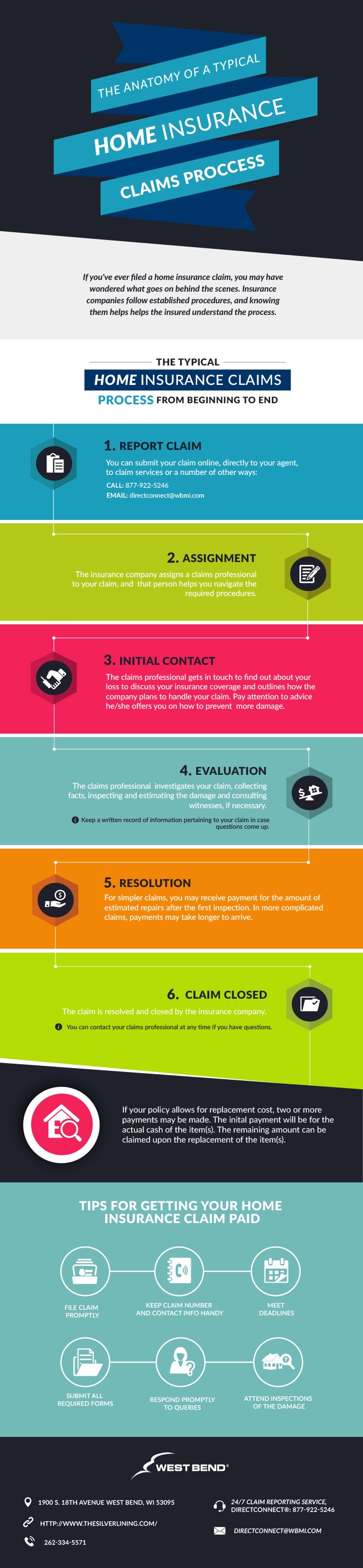

6. Tips for Improving Your Home Insurance Coverage
Here are practical ways to ensure your policy truly protects you:
A. Review Your Policy Annually
Life changes, and so should your insurance coverage. Renovations, new valuables, or family changes may require policy updates.
B. Increase Your Dwelling Coverage Limit
Make sure your policy reflects current construction costs, which can rise due to inflation and material cost increases.
C. Document Your Belongings
Create a home inventory with photos and receipts. This makes claims faster and easier.
D. Consider Replacement Cost Coverage
This ensures you are reimbursed for the full replacement value of damaged property, not the depreciated value.
E. Improve Home Safety
Simple steps like upgrading your roof, installing smoke detectors, and securing windows can both reduce risk and lower premiums.
Know Your Coverage Before You Need It
Understanding what home insurance really covers (and what it doesn’t) is the key to protecting your home, your belongings, and your financial future. While standard homeowners insurance provides strong foundational protection, many gaps remain—from floods to high-value items to maintenance-related issues.
By reviewing your policy carefully, considering endorsements, and taking proactive steps to reduce risk, you can ensure that your insurance coverage truly matches your needs.