




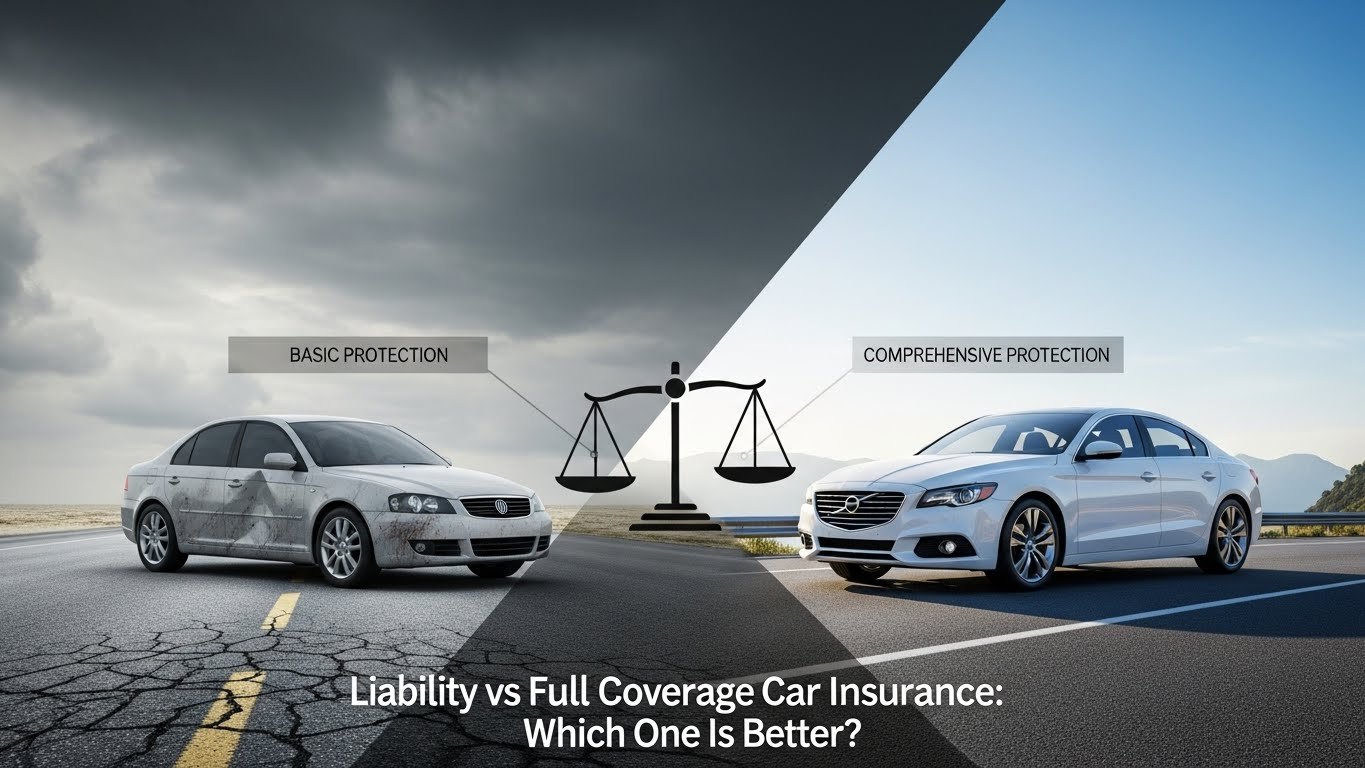
Liability vs Full Coverage Car Insurance: Which One Is Better?
Choosing the right auto insurance policy can feel overwhelming, especially when comparing two of the most common options: liability insurance and full coverage insurance. For many drivers, the question isn’t just about price—it’s about peace of mind, financial protection, and understanding what type of coverage truly fits their situation. In this in-depth guide, we break down everything you need to know about liability vs full coverage car insurance so you can make a smart, confident decision.
What Is Liability Car Insurance?
Liability insurance is the minimum coverage required in most states and countries. It is designed to protect other people if you cause an accident. In other words, it doesn’t cover your own vehicle’s repairs or medical bills.
Liability insurance typically includes:
-
Bodily Injury Liability (BIL)
Covers medical expenses, lost wages, and legal fees for the other party involved in an accident you cause. -
Property Damage Liability (PDL)
Pays for damages you cause to someone else’s car, building, fence, or other property.
What Liability Insurance Does NOT Cover
-
Your own vehicle repair
-
Your medical bills
-
Theft, vandalism, natural disasters
-
Hit-and-run damage (in many cases)
Because liability insurance covers only the damages you cause others, it is often much cheaper than full coverage. But the lower price comes with higher risk.
What Is Full Coverage Car Insurance?
Full coverage is not a single policy, but a combination of protections that includes liability plus additional coverage for your own vehicle.
Full coverage usually includes:
1. Collision Coverage
Covers repair or replacement of your car after an accident—whether you caused it or not.
2. Comprehensive Coverage
Protects your vehicle from non-collision events such as:
-
Theft
-
Fire
-
Vandalism
-
Floods
-
Hailstorms
-
Falling objects
-
Animal strikes
3. Liability Coverage
Because liability is required by law, it’s automatically part of full coverage.
Key Differences Between Liability and Full Coverage
1. Protection Level
-
Liability: Covers others
-
Full Coverage: Covers others and yourself
2. Cost
Liability is significantly cheaper. Full coverage is more expensive because it pays for a wider range of situations.
3. Vehicle Requirements
If your car is financed or leased, lenders typically require full coverage.
4. Risk Level
With liability-only, you carry more financial risk if your car is damaged or totaled.
How Much Does Liability vs Full Coverage Cost?
While prices vary depending on your location, age, driving record, and vehicle type, here’s a general comparison:
-
Liability Insurance: 300–700 USD per year on average
-
Full Coverage Insurance: 900–2,000 USD+ per year on average
Younger drivers, luxury vehicle owners, or high-risk drivers may see significantly higher rates.
For a deeper breakdown of average car insurance costs by state, you can check updated rate comparisons from sources like the Insurance Information Institute (https://www.iii.org) and NerdWallet (https://www.nerdwallet.com) which provide current national averages and policy insights.
Pros and Cons of Liability Insurance
✔ Pros
-
Cheapest insurance option
-
Meets minimum legal requirements
-
Good for older, low-value cars
-
Lower monthly payments
✘ Cons
-
Offers no protection for your own vehicle
-
Higher financial risk
-
You may pay out-of-pocket for major repairs
-
Not accepted for financed or leased cars
Pros and Cons of Full Coverage Insurance
✔ Pros
-
Covers your car in accidents you cause
-
Protects against theft, natural disasters, and vandalism
-
Required by lenders
-
Ideal for newer or high-value vehicles
-
Peace of mind in unpredictable situations
✘ Cons
-
Higher premium
-
Deductibles apply for claims
-
Not cost-effective for very old cars
When Should You Choose Liability Insurance?
Liability may be the better choice if:
1. Your car is older and low in value
If your car is worth less than your annual insurance premium, full coverage may not make financial sense.
2. You’re a safe driver with minimal risk
If you rarely drive or live in a low-risk area, liability may be enough.
3. You want the lowest insurance cost
Liability-only is the cheapest way to meet legal driving requirements.
When Should You Choose Full Coverage Insurance?
Full coverage is the better option if:
1. Your car is new or still valuable
A new vehicle can cost thousands to repair or replace—full coverage protects that investment.
2. You finance or lease your car
Almost all lenders require full coverage to protect their financial interest.
3. You live in a high-risk area
This includes areas with:
-
High accident rates
-
Harsh weather
-
High theft or vandalism levels
4. You want maximum protection
Full coverage gives financial security even in situations outside your control.
Which One Is Better? Liability or Full Coverage?
The answer depends on your situation—not all drivers need full coverage, and not all drivers should settle for liability.
Choose Liability If:
-
You have an older car
-
You want the cheapest possible premium
-
Your vehicle is worth less than your deductible plus premium
-
You can afford to replace your car out-of-pocket
Choose Full Coverage If:
-
Your car is new or financed
-
You want protection from theft, disasters, and collisions
-
You live in a high-risk area
-
You cannot afford major out-of-pocket repairs
In simple terms:
➡ Liability = Basic protection at lower cost
➡ Full Coverage = Comprehensive protection at higher cost
Common Mistakes Drivers Make When Choosing Coverage
1. Choosing Liability Without Evaluating Risk
Many drivers choose liability-only because it’s cheaper, but regret it after an expensive accident.
2. Keeping Full Coverage Too Long
If your car has depreciated significantly, you may be paying more insurance than the car’s value.
3. Not Comparing Quotes
Insurance rates vary dramatically between companies, so comparing multiple quotes is essential.
4. Ignoring Deductibles
A higher deductible lowers premiums but increases what you pay during a claim.
How to Decide the Right Coverage for Your Vehicle
Use this quick checklist to determine which option suits your needs:
CAR VALUE CHECKLIST
-
Is your car worth over $5,000? → Consider full coverage
-
Is your car over 10 years old? → Liability may be enough
FINANCIAL PREPAREDNESS CHECKLIST
-
Can you afford to replace your car if it’s totaled?
-
Can you afford out-of-pocket repairs?
RISK CHECKLIST
-
Do you drive daily in heavy traffic?
-
Do you live in a high-crime or high-weather-risk area?
The more “yes” answers you have in the high-risk categories, the more full coverage makes sense.
Verdict: Liability vs Full Coverage Car Insurance
So, Liability vs Full Coverage Car Insurance: Which One Is Better?
The truth is that neither is universally “better”—the right choice depends on your vehicle, budget, and risk level.
-
If you want the cheapest legal coverage and have an older car → Liability
-
If you want strong financial protection and peace of mind → Full Coverage
A smart driver reviews their insurance annually to ensure it still matches their needs.